
Feet take a beating. Think about trudging through a long shift, chasing kids around, or squeezing into tight shoes for a night out. Most people ignore their feet until they’re sore or looking rough. A pedicure can work wonders, but there’s a real difference between a spa pedicure vs medical pedicure. One’s like a treat after a tough week; the other’s for when feet need serious help. This article walks through what each one offers, who they’re best for, how to keep feet happy at home, and how to pick a salon that gets it right. Whether someone’s got cracked heels or just wants to feel a bit fancy.

What’s a Spa Pedicure?
A spa pedicure delivers solid relaxation for healthy feet with no open cracks or active fungus. But if you’ve got even a small sore between toes, that warm soak can backfire and spread infection. Imagine kicking back in a cushy chair, maybe with a coffee in hand, while your feet soak in warm, bubbly water. It’s about making feet look good and feeling great, no doctor’s visit required. Nail techs focus on tidying things up and adding a little polish—literally. For anyone torn between a spa pedicure vs medical pedicure, this one’s all about the pampering.
The Spa Pedicure Process
Spa Pedicure: What to Expect:
- Goal: Relaxation, polish, exfoliation.
- Tools: Shared foot bath (lined/cleaned), standard tools (not autoclaved).
- Provider: Nail Technician (Cosmetologist).
- Best For: Healthy feet needing a cosmetic refresh.
It kicks off with a warm soak, maybe with lavender oil or fizzy bath salts that smell like a dream. Nails get clipped into a neat shape, no jagged edges. Cuticles are softened with a dab of cream and nudged back for a clean look. A scrub goes after rough spots, like those cracked heels from too many flip-flop days. Some places throw in a hot towel wrap or a paraffin dip that leaves skin crazy soft. A coat of bright polish—say, coral or classic red—caps it off, ensuring polish durability.
Who Loves Spa Pedicures?
This is for people who need a break. Someone gearing up for a beach trip or a wedding might want their toes looking sharp. It’s not about fixing big problems—it’s about feeling like you’ve got it together. Folks with no major foot issues love the vibe. A spa pedicure vs medical pedicure is the choice when you want to chill, not solve a health puzzle.
Cost and Time Commitment
Prices usually land between $35 and $100, depending on the salon’s vibe or extra perks like a longer massage, reflecting 2026 market averages. A basic spa pedicure runs 40–50 minutes; add 15–20 minutes if you get paraffin or a longer massage.
Medical Pedicures Explained
A medical pedicure is about getting feet back in fighting shape. It’s done by pros like podiatrists or specially trained techs who know their stuff. This isn’t about candles and soft music—it’s for real issues like ingrown nails or tough calluses. For anyone weighing a spa pedicure vs medical pedicure, this one’s about health first. It’s a go-to for things like diabetic foot care pedicure needs.
“A medical pedicure offers a higher level of cleanliness, safety and care compared to traditional pedicures,” says Joy Rowland, DPM, a podiatrist at Cleveland Clinic with over 15 years of experience in foot health.
What Happens During a Medical Pedicure?
Medical Pedicure Protocol:
- Goal: Treatment of conditions, infection prevention.
- Tools: Autoclaved/Sterile instruments, waterless technique (often).
- Provider: Podiatrist (DPM) or Certified Medical Nail Technician (CMNT).
- Best For: Diabetics, fungal infections, ingrown nails, high-risk feet.
It feels more like a checkup than a spa day. For those hunting for a pedicure near me with callus removal, this is the real deal. The goal is healthy feet, not just a pretty finish.
Why Choose a Medical Pedicure?
This is for folks with nagging foot problems. Diabetes, fungal issues, or deep cracked heels need more than a quick scrub. A diabetic foot care pedicure keeps things safe by avoiding risky cuts. The sterile setting cuts down on complications. It’s the best pedicure for cracked heels when they’re more than just dry skin.

Who Should Get a Medical Pedicure?
Medical Pedicure: Who Needs It?
- Diabetics: To prevent cuts and infections that lead to ulcers.
- Immunocompromised Individuals: Due to higher infection risk.
- People with Fungal Infections: To avoid spreading and get proper treatment.
- Those with Deep, Painful Corns/Calluses: Requiring surgical-grade debridement.
People with Diabetes
Diabetes makes foot care a big deal. Poor circulation or numb spots can turn a tiny cut into a serious problem. A diabetic foot care pedicure uses gentle techniques to trim nails and smooth calluses. Pros steer clear of tools that might nick skin. They also keep an eye out for early trouble, like sores that could get worse.
Intensive preventative foot care programs can reduce diabetic foot ulcer incidence by approximately 50% when implemented through multidisciplinary team approaches, according to systematic reviews of controlled studies. (2021, International Working Group on the Diabetic Foot/IWGDF) This underscores the importance of professional monitoring in preventing severe complications.
Those with Chronic Foot Issues
Folks with ongoing problems—like ingrown nails that hurt to touch or calluses that feel like rocks—need a medical pedicure. Heels with cracks deeper than 2 mm or bleeding edges need a medical pedicure—spa scrubs can make them worse. This approach digs into the cause, not just the surface. It’s a solid pick for lasting relief. A pedicure near me with callus removal is perfect for these stubborn spots.
“Patients often don’t realize that the margin for error becomes much smaller when there are underlying health risks like diabetes or circulation issues. Even minor skin breaks can take longer to heal or become complicated, which is why medical-grade sterilization and clinical assessment are non-negotiable for at-risk individuals.”— Dr. Kerra Kong, Principal Podiatrist at Physio & Sole Clinic, Singapore, specializing in diabetic foot care and preventive podiatry (2026)
Table: Spa vs. Medical Pedicure for Specific Needs
| Condition | Spa Pedicure | Medical Pedicure |
| Diabetes | Not recommended | Highly recommended for safety |
| Ingrown Nails | Limited help | Expert correction |
| Cracked Heels | Temporary relief | Targeted treatment |
| Fungal Infections | Not addressed | Professional care |
| General Maintenance | Great for aesthetics | Overkill for healthy feet |
To understand the unique benefits of a medical pedicure over a standard spa treatment, check out this video highlighting wellness-focused care from experts.
Active Individuals
Runners, dancers, or anyone on their feet all day deal with blisters or tough skin buildup. A medical pedicure smooths out those rough patches and keeps feet ready to move. It’s a great choice for a pedicure near me with callus removal. The focus is on keeping feet functional, not just cute. Busy folks who push their feet hard find this practical.
When to Stick with Spa Pedicures
A spa pedicure works fine for routine upkeep when nails grow evenly and heels stay smooth for 3+ weeks after moisturizing. Once you see yellowing nails, numb spots, or cracks that won’t heal in 10 days, it’s time to switch to medical. It keeps toes looking fresh without needing a clinical deep-dive. Those without health concerns can skip the medical route. A spa pedicure vs medical pedicure is the simpler pick for routine care. It’s all about a quick refresh, no fuss.
Which Pedicure Is Right for You? Quick Decision Guide
Use this simple checklist to determine whether a spa pedicure or medical pedicure better suits your current foot health needs:
| Your Situation | Spa Pedicure | Medical Pedicure |
|---|---|---|
| Healthy feet, no chronic conditions | ✓ Ideal | Not necessary |
| Diabetes or prediabetes | ⚠️ Not recommended | ✓ Essential |
| Recurring ingrown toenails | Limited help | ✓ Recommended |
| Thick, discolored, or fungal nails | ✗ Won’t treat | ✓ Treats + prevents |
| Deep cracked heels with pain | Temporary relief | ✓ Medical treatment |
| Preparing for special event/wedding | ✓ Perfect choice | Overkill |
Bottom line: If you checked any boxes in the “Medical Pedicure” column, schedule a consultation with a podiatrist or certified medical pedicurist before your next salon visit.
Choosing between a spa pedicure and medical pedicure is just the first step. To help you take immediate action, we’ve created a comprehensive self-assessment tool. Work through this checklist to determine your foot health status, evaluate potential salons, and establish a personalized care routine that keeps your feet healthy year-round.

At-Home Foot Care Between Pedicures
A pedicure isn’t enough to keep feet in top shape. Doing a little work at home stretches the benefits of any salon visit. Simple habits keep skin soft and nails under control. Whether someone picks a spa pedicure vs medical pedicure, these tips make a difference. They also mean fewer trips to the salon.
Daily Foot Care Routine
Here’s a no-fuss plan:
- Wash feet daily with gentle soap. Dry them well to avoid fungal trouble.
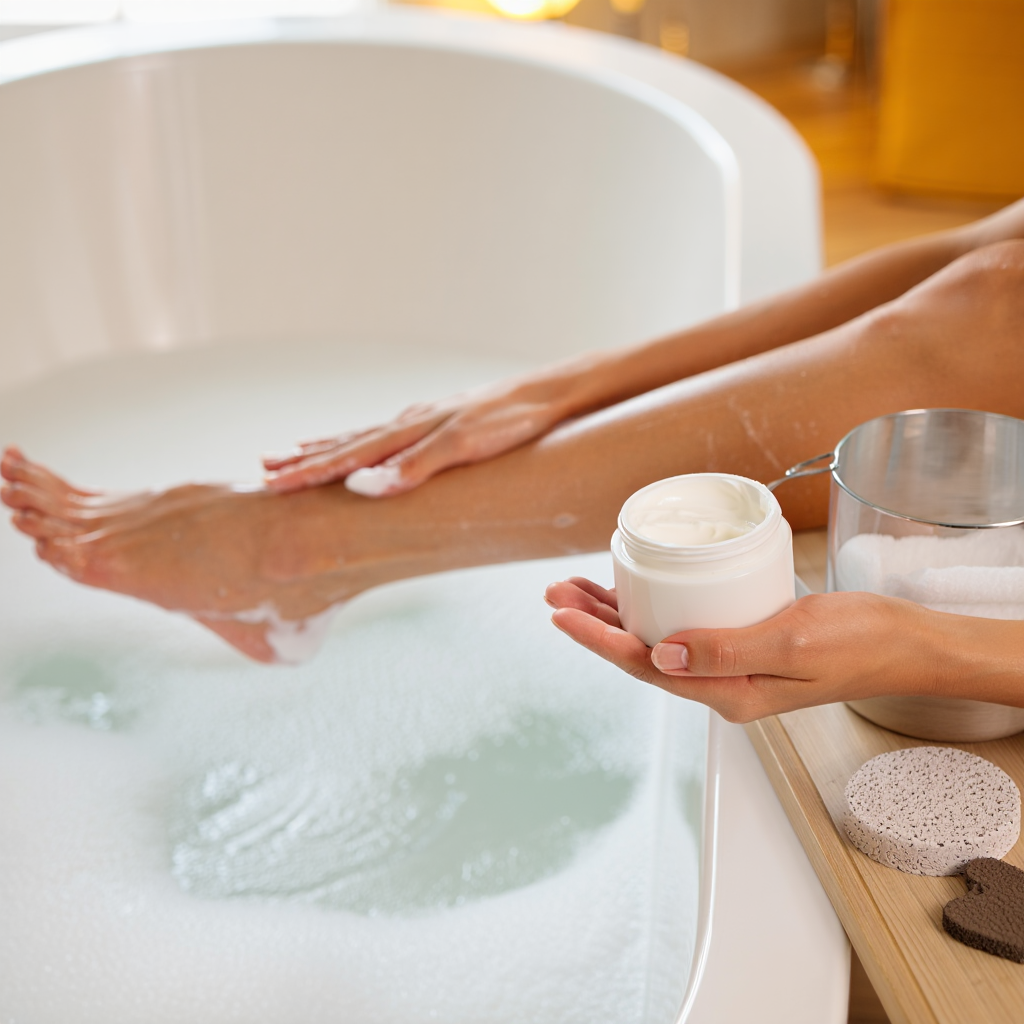
- Slather on a thick cream before bed. Focus on heels and dry spots.
- Stick to breathable shoes. Skip tight ones that pinch or rub.
- Clip nails straight across. This keeps ingrown nails at bay.
- Rub a pumice stone on heels weekly. It stops calluses from getting out of hand.
This routine takes a few minutes but saves hassle later. If your heels stay smooth after two weeks of daily cream, you can stretch spa visits to 8 weeks. If cracks reappear in under 10 days, aim for every 4–5 weeks or switch to medical care.
Handling Minor Foot Issues
Little problems like dry patches don’t always need a salon trip. A warm soak with Epsom salts loosens up tough skin. A quick pass with a foot file keeps heels smooth. For cracked heels, a cream with urea or lactic acid heals and hydrates. These steps keep minor issues from turning into big ones.
When to See a Professional
If home fixes don’t cut it, a medical pedicure is the next step. Deep cracked heels or constant pain need a pro’s touch. People with diabetes should always check with a podiatrist for any concerns. A diabetic foot care pedicure is safer than guessing at home. Regular visits to a specialist keep feet on track.
How to Choose the Right Salon
Finding a good salon isn’t always easy. Some places shine, others cut corners. Whether it’s a spa pedicure vs medical pedicure, the salon choice matters. A great one delivers quality without risks. Here’s how to spot a winner.
Check for Cleanliness
Cleanliness is non-negotiable. Good salons sterilize tools like they’re prepping for surgery. Foot baths should have disposable liners or be scrubbed between clients. If the place looks messy, it’s a red flag. Ask about their cleaning routine to ensure a safe pedicure near me with callus removal. Before booking your appointment, it is worth reviewing nail salon safety standards to ensure the establishment follows proper sterilization protocols and hygiene practices that protect your health.
Look for Trained Staff
Spa pedicure techs should know their way around nails and massages. Medical pedicures need podiatrists or certified pros. Ask about their training, especially for diabetic foot care pedicure services. Skilled hands make all the difference. It’s worth confirming they’ve got the right experience.
Read Reviews and Ask Questions
Online reviews paint a picture of a salon’s track record. Check for comments on hygiene, staff skills, and overall experience. Call and ask about specific needs, like callus removal or diabetes-friendly care. A solid salon won’t dodge questions. This helps find the best pedicure for cracked heels or other concerns.
Consider the Vibe
A spa pedicure should feel like a getaway. Soft lights, comfy seats, and mellow tunes set the mood. Medical pedicure spots might be more clinical but should still feel welcoming. Popping in beforehand shows if the place feels right. It’s a big part of enjoying the visit.
If you are looking for reputable establishments in the Chicago area, our guide to the best nail salons by neighborhood highlights top-rated locations that prioritize both quality service and strict hygiene standards.
In the video you can see what equipment is used in salons and how the process of medical pedicure takes place, taking into account the rules of sterility and medical laws.
FAQ: Common Questions About Medical Pedicures
How much does a medical pedicure cost compared to a spa pedicure?
A medical pedicure typically costs between $80 and $250, whereas a standard spa pedicure ranges from $35 to $100. The higher price for medical services reflects the cost of sterilization (autoclaving), the clinical setting, and the expertise of a certified medical nail technician or podiatrist.
Are medical pedicures covered by insurance or Medicare?
Generally, no. Routine foot care (trimming nails, removing calluses) is usually considered a non-covered service. However, if you have diabetes with complications or severe circulatory issues, Medicare Part B may cover the treatment if it is deemed medically necessary and performed by a podiatrist. Always verify with your provider first.
Is a medical pedicure painful?
No, it should be painless. Medical pedicures are non-invasive and performed using dry (waterless) techniques to ensure precision. Specialists use sterilized, high-grade tools to gently debride calluses and trim nails without cutting live tissue, making it a safe option even for those with sensitive feet.
Can I get nail polish with a medical pedicure?
It depends on the condition of your nails. If your nails are healthy, many medical clinics offer antifungal nail polish or standard lacquer upon request. However, if you are being treated for a fungal infection (onychomycosis), the doctor will likely recommend keeping the nails bare to allow topical treatments to penetrate effectively.
How often should you get a medical pedicure?
Podiatrists recommend scheduling a medical pedicure every 6 to 8 weeks. This frequency prevents ingrown toenails from recurring and keeps calluses and corns under control before they become painful or lead to complications, especially for diabetic patients.
Figuring out whether to go for a spa pedicure vs medical pedicure depends on what feet are asking for. Spa pedicures are a treat, perfect for healthy feet that just need a glow-up. Medical pedicures tackle tough stuff like cracked heels or diabetic foot care pedicure needs with pro-level care. At-home habits keep feet in shape between salon trips. Picking a solid salon ensures the job’s done right. For those wondering how often to get a pedicure, four to eight weeks works if you stay on top of care.
Now that you know the key differences between a spa pedicure and a medical pedicure, you can make a more informed choice based on your foot health needs and preferences.
- If you’re looking for relaxation, pampering, and beautiful polish — go for a classic spa pedicure.
- If you have chronic foot issues, diabetes, fungal concerns, or want deeper therapeutic care — consider a medical pedicure performed by a qualified professional.
Always consult a licensed podiatrist or foot care specialist if you have any medical conditions before choosing a service. Regular foot care is one of the best ways to keep your feet healthy and comfortable year-round!
Sources
- 2023, International Working Group on the Diabetic Foot. IWGDF Guidelines.
- 2003, Diabetes Care. Sheehan P, Jones P, Caselli A, Giurini JM, Veves A. Percent Change in Wound Area of Diabetic Foot Ulcers Over a 4-Week Period Is a Robust Predictor of Complete Healing in a 12-Week Prospective Trial.
- Joy Rowland, DPM (2024, Cleveland Clinic Health Essentials – What to Know About Medical Pedicures.
- Foot Care Nurses: Improve Outcomes for Diabetic Patients (2021, Nur Primary Care). Lopez-Bushnell FK, Haquani SM.